


Berkut ISR
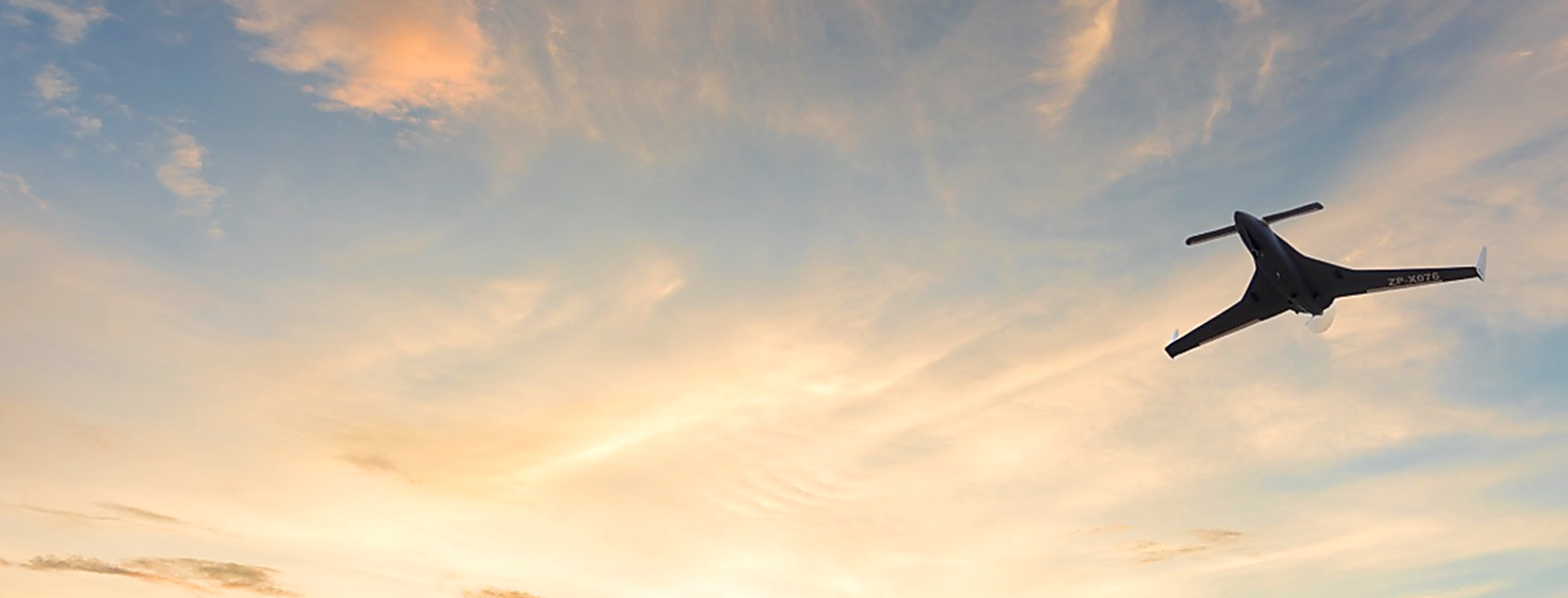
The Berkut ISR, designed by Dave Ronneberg and produced by AeroVehicles, is a high-performance, composite-built tandem two-seater aircraft optimized for ISR missions. It has a 450 kg payload capacity for advanced sensors like LiDAR and SAR, with a modular design enabling quick LRU changes and interchangeable wings for high-speed or extended endurance missions. Proven reliable over 20 years, it offers durability and low maintenance.

BERKUT ISR
Intelligence, Surveillance and Reconnaissance Aircraft
Manned – Tandem
Key features
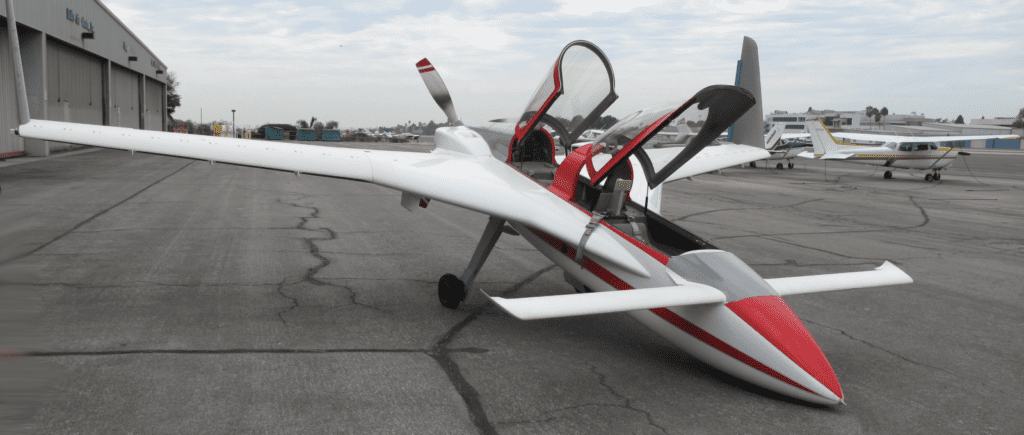
High Payload Capacity: Supports up o 450 Kg for multiple payload types.
Modular Sensor System: Capable of multiple sensors like EO/IR camera, SAR unit, etc.
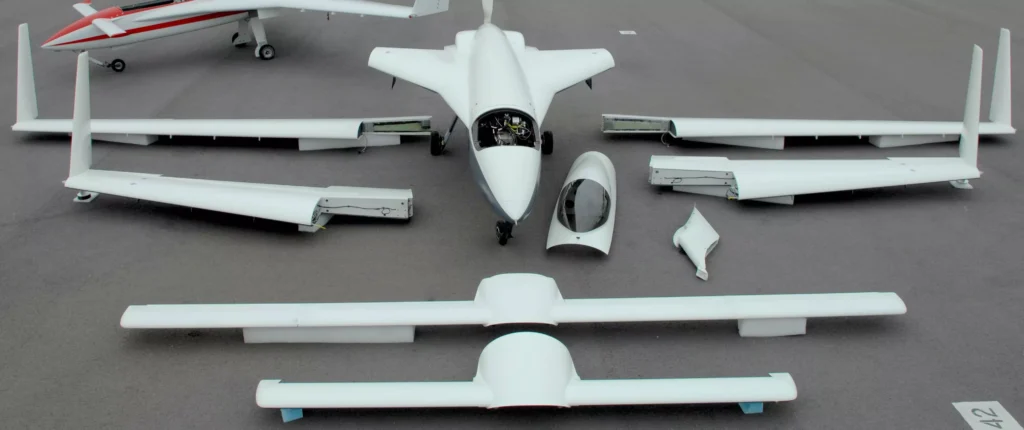
Interchangeable Wings: Wings can be exchanged in under 30 minutes, enabling additional fuel capacity for extended range of up to 4,000 km, making the aircraft ideal for long-distance and prolonged operations.
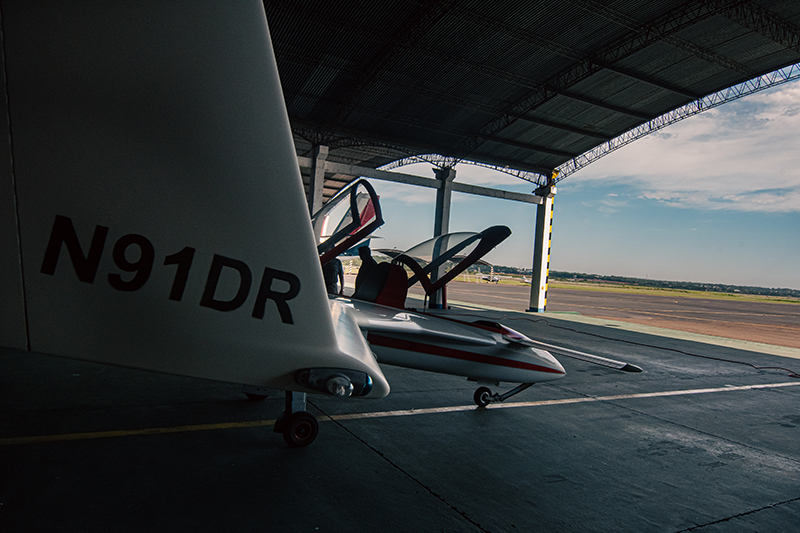
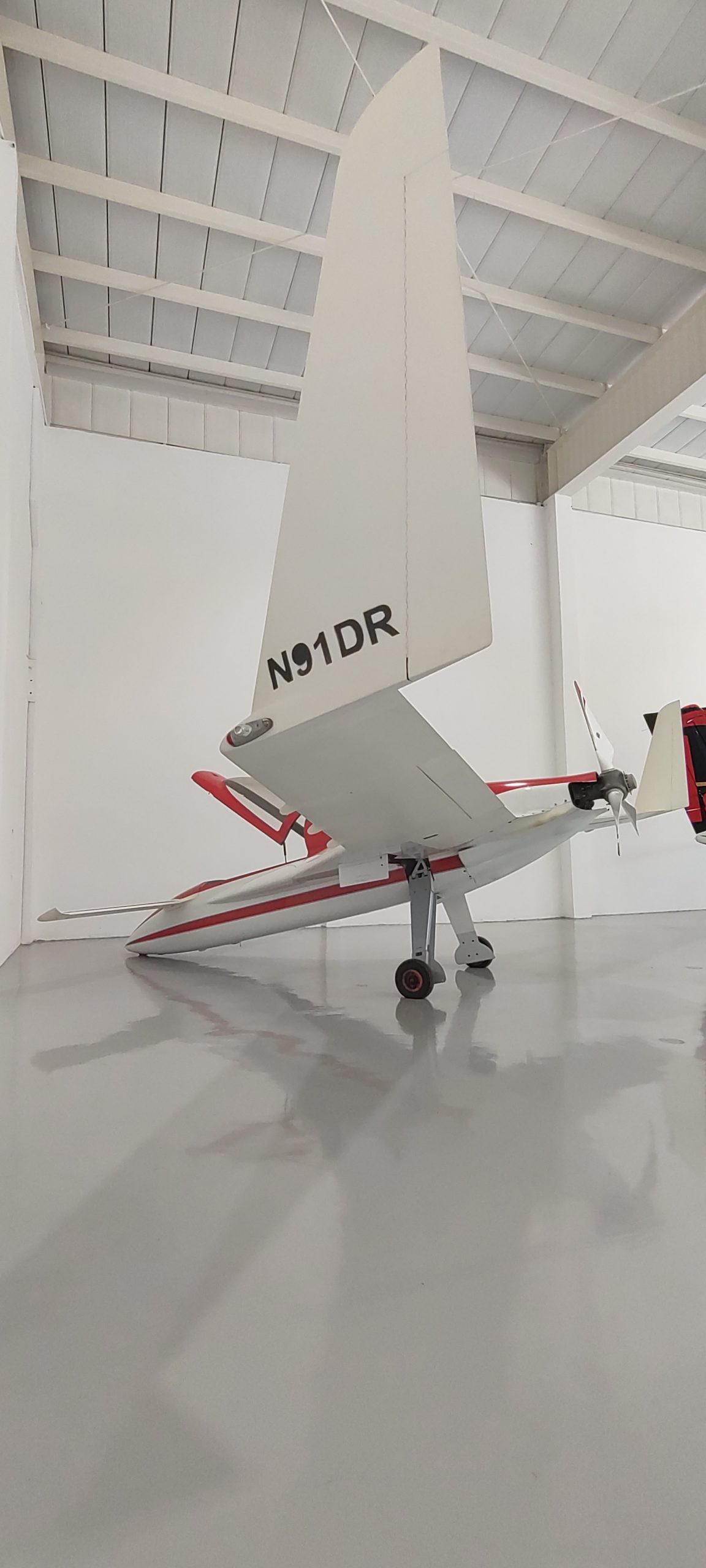
ISR Aircraft
Advanced training
Advanced sensor configurations
Aerovehicles’s modular sensor mounting system, using wing pods and fuselage locations, adapts to ongoing advancements in ISR technology. Instruments are grouped electronically for easy integration with standard attachments and cabling. Default configurations support efficient LRU changes and maintenance but can be customized for specific client needs.
Long-wing configuration
The Berkut ISR aircraft offers quick wing configuration changes, with short wings for high speed and maneuverability, and long wings for higher altitudes. The change, which takes as little as 30 minutes, provides pilots with flexibility for different missions and scenarios.
With the long-wing configuration, the Berkut can conduct airborne missions with a range of up to 4,000 km providing exceptional endurance and range for ISR missions


Low cost maintenance
The Berkut 540’s composite airframe ensures low maintenance and operating costs, with no metal fatigue or corrosion issues. Its average cost per flight hour is about $240 USD, making it a cost-effective option for aircraft owners.
| Engine | overhaul 2000 hours and up to 3000 if used over a relatively short period |
| Propeller | refurbishment every 5000 hours |
| Propeller | overhaul every 2000 hours |
| Tires | change approximately every 100 landings |
| Fuel | consumption calculated at an average of 15 gal an hour |
| Oil and filter | change every 30 hours |
| Brakes | replacement with medium-high usage calculated at 100 hours |
Specifications
| Crew | 1 or 2 tandem |
| Propulsion | Lycoming IO-540-C4B5 |
| Length | 4.7m |
| Height | 1.9 m |
| Wingspan | 8.7m – standard wing configuration |
| 11.8m – long wing configuration | |
| Cruise Airspeed | 205.18 kts (380 Km/h) |
| Max Cruise Speed | 229.5 kts (425 Km/h) |
| Endurance | 18 Hs (36 Hs with auxiliary tank) |
| Range | 2600 Km (4000 Km with external tanks) |
| Takeoff run | 1000 feet |
| Payload | 544 Kg |
| Takeoff / Landing | Conventional tricycle gear |
| G Resistance | +10G |
Applications
Target tracking: Monitoring the movement of potential threats in real-time.
Threat surveillance: Identifying and assessing risk factors.
Airborne surveys: Using SAR, LiDAR, and EO/IR technologies for data collection.
Maritime monitoring: Surveillance of Exclusive Maritime Zones (EMZ).
Border Patrol: Monitoring and enforcing border control.


